
How to Talk to Your Kids About Body Safety and Consent
Amelia Dalgety
Most parents put this conversation off. Not because they don’t care, but because it feels awkward or too heavy for a young child.
The families who handle it well don’t wait for a perfect moment. They treat body safety like road safety. Ordinary skills. Taught early. Repeated often. No drama needed.
Kids who hear calm, clear messages about their bodies are more likely to speak up when something feels wrong.
Start Before You’re Fully Ready
You don’t need a polished script. You don’t need a quiet weekend afternoon.
Short, ordinary moments work best:
- Bath time
- Getting dressed
- The walk to school
- A scene in a kids’ show
From around two or three, children can learn simple ideas. Their body belongs to them. Some parts are private. They can say no to unwanted touch.
By early primary school, add more. Consent language. Trusted adults. The difference between a surprise and a secret.
With older kids and teens, shift the focus. Peer pressure. Online contact. Image sharing. Relationship boundaries.
If you’ve delayed it, start now.
Name Body Parts Properly
Use the real words.
Skip the cute nicknames at home if you can.
Clear language helps if a child ever needs to describe what happened. It cuts down confusion and shame. It also shows these topics are allowed with you.
Kids who only know slang or baby words often struggle to explain what feels wrong. That makes it harder for a teacher, doctor or other adult to help.
Keep your tone normal. Same way you’d say elbow or knee. You’re not giving a lecture. You’re making body knowledge ordinary.
Make Consent Part of Daily Life
Consent is not one big talk about sex. It’s a habit kids learn from how adults treat them.
If your child doesn’t want a hug from a relative, back them up. Offer a wave, a high five, or a simple hello instead.
Some relatives will push back. That’s okay. Your job is your child’s sense of control over their body, not keeping every adult comfortable.
Use the same rule with siblings and friends. “Stop” means stop. Tickling that keeps going after “no” teaches the wrong lesson.
Other easy habits help too:
- Ask before posting their photos
- Knock before entering their room
- Let them choose when they want affection
These small moments teach a clear idea. My body, my choice. Other people’s bodies work the same way.
Safe Touch, Unsafe Touch, and Body Clues
Give your kids simple words to use so they can speak up for themselves.
Safe touch: This is a touch that is helpful, wanted, and makes you feel good. Think of a high-five from a friend, a warm hug from a grandparent, or a doctor listening to your heart. It’s okay because you want it and it feels right.
Unsafe touch: This is touch that makes you feel scared, confused, or worried. If someone touches your 'private parts', that is never okay unless a trusted adult is helping with something like getting cleaned up or a doctor’s check-up. And even then, you can ask for someone else to be there with you.
Your body is smart. It has its own 'alarm' system that tells you when something isn’t right. Watch for these clues:
- A 'yuck' feeling in your stomach.
- Butterflies or knots in your tummy.
- A tight chest or trouble breathing.
- The sudden feeling that you want to run away.
If you ever feel these things, it’s your body saying: Something is wrong. You don’t need to figure it out alone. Move to a safe place and tell a trusted adult immediately. You can trust your gut—if it feels wrong, it is wrong.
Secrets That Should Never Stay Secret
This is where many families get stuck.
Surprises are temporary and happy. A birthday present. A cake hidden in the fridge.
Secrets that make a child feel worried, guilty or “special” in a way that isolates them are different. Anyone who says “don’t tell your parents” about touching, photos, gifts or private chats is crossing a line.
Say it plainly. You can always tell me. Even if someone said not to. Even if it happened a while ago. Even if you think you’ll get in trouble.
And mean it. Your reaction the first time they test that promise matters more than any rule on the fridge.
Build a Safety Network
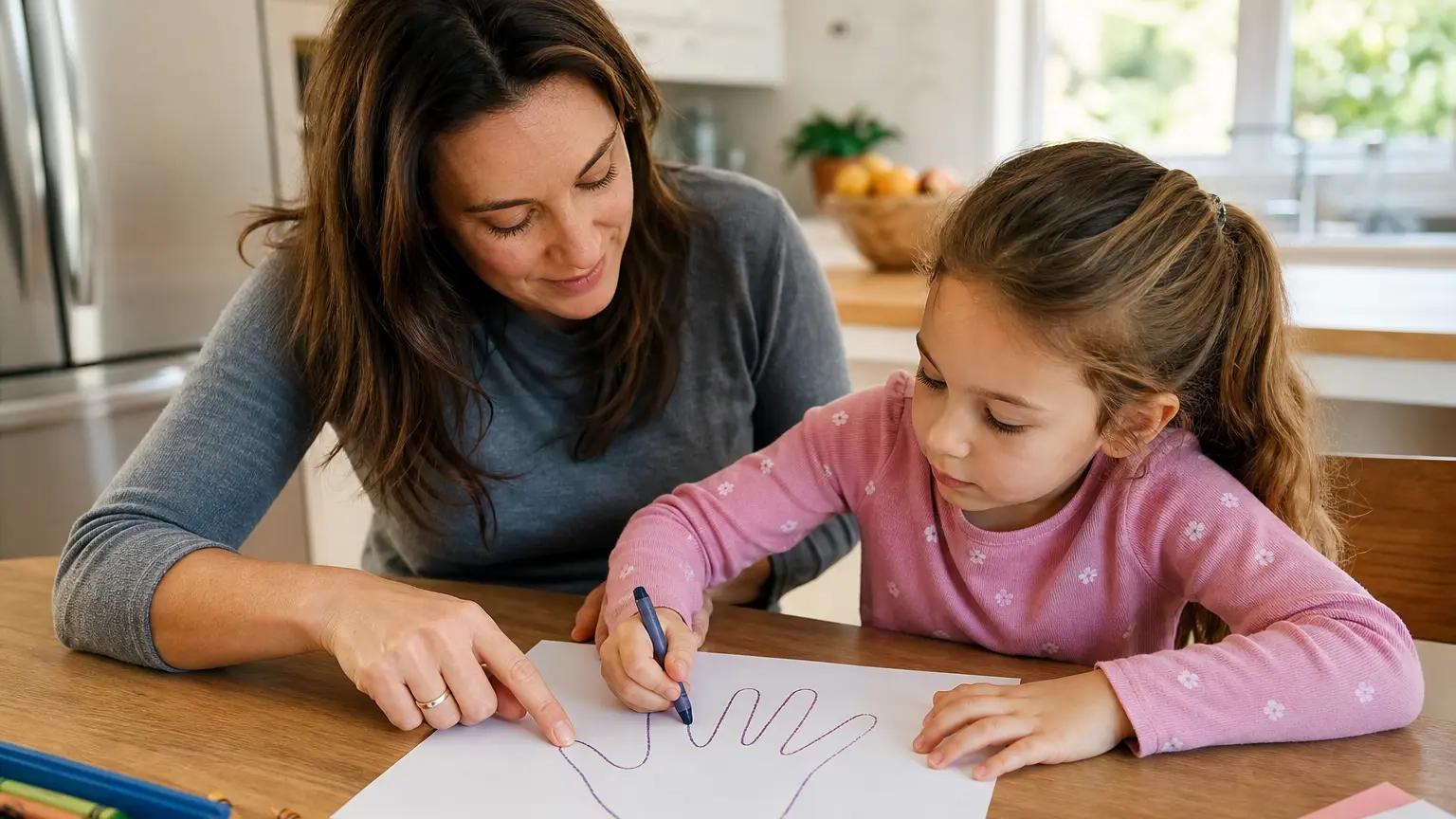
Every child should know several adults they can go to. Not just parents.
Think about people across different parts of their life:
- A grandparent
- A teacher
- A coach
- A family friend
- An aunt or uncle
A common guide is about five people. That way, someone is usually available.
Write the names down together. For younger kids, draw a hand and put one name on each finger.
Check the list every so often. People move. Relationships change. The network needs updating.
As kids get older, also show them how to contact a child helpline or emergency services if they can’t reach someone they trust.
Online Contact Needs the Same Rules
A lot of grooming now starts on devices kids already use. Games with chat. Social apps. Group messages.
The same body safety rules apply online:
- No private parts on camera
- No secrets with people they’ve only met through a screen
- No meeting anyone from the internet without you
You don’t have to ban every platform. Stay involved instead. Know the apps. Keep devices in shared spaces when you can. Talk about what to do if someone asks for photos, personal details, or tries to move the chat somewhere private.
Parents sometimes ask how body safety connects to wider exploitation risks, including child trafficking. The practical link is early assertiveness and open communication. Kids who can name what’s wrong, refuse pressure, and tell an adult quickly are harder to isolate. That helps in everyday settings and in more serious targeting scenarios. Scare tactics don’t help. Skills do.
If Your Child Tells You Something
Stay steady. That’s hard when your stomach drops.
Believe them. Thank them for telling you.
Don’t push for every detail right away. Don’t promise outcomes you can’t control. Don’t confront the alleged person in front of the child.
Then get advice. Talk to your doctor, a child protection service, or police if needed. Schools and childcare settings often have reporting duties. You don’t have to handle the whole response alone.
What if nothing specific has been said, but something feels off? Pay attention to sharp changes. Fear of one person. Sexualised behaviour well outside age norms. Sudden distress around devices or certain visits. Trust patterns, not only perfect verbal reports.
Keep It Ordinary
The families who do this well don’t hold a yearly summit on consent.
They correct a boundary at the moment. They answer a question in the car. They update the safety network after a house move. They use simple books and school resources without turning bedtime into a briefing.
Ask what your child’s school already teaches about body safety or respectful relationships. Home and school work best when they back each other up.
You won’t get every wording perfect. You don’t need to.
What kids need is a parent or carer who talks about bodies without shame, backs their no, and stays easy to approach when something feels off.